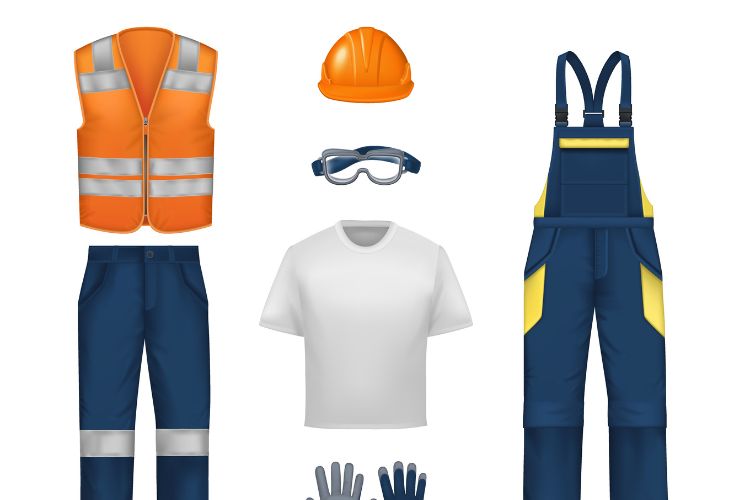
Working in extreme heat is challenging enough. Add flame-resistant clothing to the mix, and many workers assume discomfort is inevitable. But that’s no longer true. Modern FR apparel has evolved, especially the FR Coverall, which is now engineered to deliver protection without turning the workday into a sweat test. In hot climates, comfort and safety can, in fact, coexist.
Why Hot Climates Demand Smarter FR Solutions?
From oilfields in the Middle East to power plants in tropical regions, heat stress is a real occupational hazard. According to OSHA, heat-related illnesses remain a leading risk for outdoor and industrial workers, especially when protective clothing restricts airflow. That’s why FR clothing for hot climates must strike a delicate balance: resist flames and thermal hazards while allowing the body to breathe.
The Myth: FR Coveralls Are Always Heavy
Let’s clear up a common misconception. Not all FR gear is bulky or suffocating. Early-generation flame-resistant garments were thick by necessity. Today’s fabrics, however, are lighter, smarter, and far more breathable. Manufacturers now use advanced fiber blends and fabric weaves that reduce weight without compromising safety standards like NFPA or ASTM compliance.
What Actually Makes an FR Coverall Comfortable?
Comfort isn’t accidental it’s designed. A well-made FR coverall considers how heat moves, how sweat evaporates, and how the body bends and stretches during long shifts.
- Lightweight FR fabrics: Modern blends reduce fabric mass while maintaining flame resistance.
- Moisture management: Fabrics that wick sweat help regulate body temperature.
- Breathable construction: Strategic ventilation zones improve airflow.
Fabric Technology: Where Safety Meets Science?
In hot climates, fabric choice is everything. Aramid blends, modacrylic fibers, and treated cotton FR fabrics each have their place. The key difference lies in how they handle heat. Lighter-weight fabrics allow heat to escape faster, which can significantly reduce fatigue during long hours on site.
Research shared by the National Institute for Occupational Safety and Health (NIOSH) highlights that breathable protective clothing can lower core body temperature and reduce heat strain (cdc.gov/niosh). In simple terms: better fabric equals better endurance.
Design Details That Matter More Than You Think
A coverall isn’t just fabric stitched together. Smart design choices can make a noticeable difference in hot environments.
- Relaxed but functional fit: Allows air circulation without compromising safety.
- Strategic pocket placement: Reduces bulk and heat traps.
- Durable yet flexible seams: Prevent chafing during movement.
When workers feel less restricted, productivity naturally improves. It’s not about luxury—it’s about reducing unnecessary strain.
Care and Maintenance: Comfort Over the Long Term
Even the best FR clothing can lose comfort if it’s poorly maintained. Proper washing preserves breathability, fabric integrity, and flame resistance. If you’re unsure how care affects performance, this guide on Some Facts Associated With The Caring Of Flame-Resistant Uniforms explains why following manufacturer instructions truly matters.
Choosing the Right Coverall for Hot Worksites
Not all jobs or climates are the same. Selecting the right Coverall means considering temperature, exposure risk, and work intensity. Look for certifications, fabric weight ratings, and real-world user feedback rather than relying on assumptions.
FAQs
1. Are FR coveralls safe for extreme heat?
Yes. When designed for hot climates, FR coveralls use breathable, lightweight fabrics that maintain flame resistance while improving heat comfort.
2. Do lighter FR fabrics compromise safety?
No. Certified lightweight FR fabrics meet the same safety standards as heavier options, provided they are properly tested and approved.
3. How often should FR coveralls be replaced?
Replacement depends on wear, damage, and laundering frequency. Regular inspections help ensure ongoing protection and comfort.
4. Can proper care really affect comfort?
Absolutely. Incorrect washing can reduce breathability and fabric performance over time.
Final Thoughts
Hot climates don’t have to mean uncomfortable protection. With today’s advanced materials and smarter designs, FR coveralls can keep workers safe without adding unnecessary heat stress. Comfort isn’t a bonus anymore it’s part of doing the job right.