
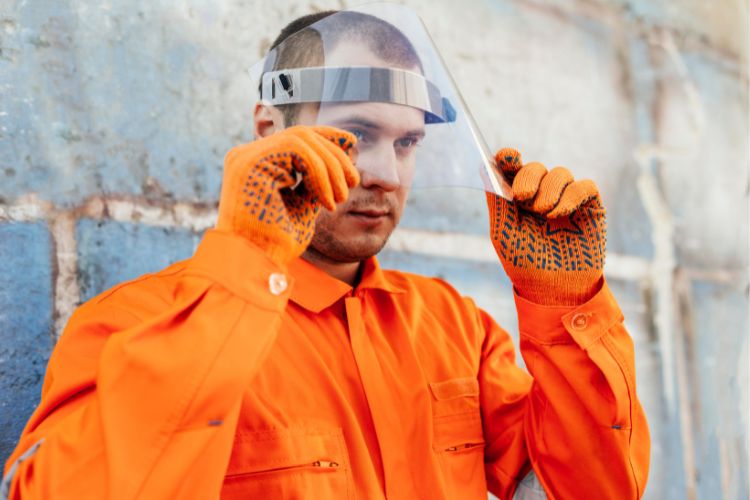
Step into any fabrication shop and you’ll immediately notice it the sharp crackle of the arc, the glow of molten metal, and the occasional shower of sparks flying like fiery confetti. It’s impressive, yes. But it’s also dangerous. That’s where a reliable welding jacket becomes more than just workwear; it becomes a frontline defense against heat, sparks, and spatter.
For welders, safety isn’t optional. It’s woven into every stitch of their flame-resistant apparel. Let’s unpack how these jackets actually work and why they matter so much in high-heat environments.
The Real Risks: Sparks, Heat, and Spatter
Welding produces extreme temperatures. According to the Occupational Safety and Health Administration (OSHA), arc welding can generate temperatures exceeding 6,500°F at the arc point (osha.gov). Even brief exposure to sparks or molten droplets can cause serious burns.
There are three primary hazards welders face:
- Sparks: Tiny fragments of hot metal that can ignite clothing instantly.
- Radiant Heat: Continuous exposure that may cause skin burns over time.
- Molten Spatter: Heavier droplets that stick to fabric and burn through it.
Regular cotton shirts simply don’t stand a chance here. Welding jackets are purpose-built to manage these threats.
How Welding Jackets Block the Heat?
1. Flame-Resistant Materials
Most welding jackets are made from leather or flame-resistant (FR) treated cotton. Leather, especially cowhide or goatskin, acts like a natural shield. It doesn’t ignite easily and resists molten metal penetration.
FR cotton, on the other hand, is chemically treated to self-extinguish once the ignition source is removed. According to the National Fire Protection Association (NFPA), FR garments are designed to limit burn injuries and reduce the severity of exposure (nfpa.org).
2. Insulation Against Radiant Heat
Welding jackets are constructed with thicker weaves and layered materials. This creates a buffer zone between your skin and the heat source. Think of it like oven mitts for your torso only engineered for industrial-level temperatures.
3. Smart Design Details
Beyond materials, the design plays a critical role:
- High collars to protect the neck
- Extended cuffs to shield wrists
- Heavy-duty snaps instead of plastic buttons
- Minimal exposed pockets where sparks could settle
Every detail reduces the risk of sparks slipping inside.
Leather vs. FR Cotton: What Works Best?
There’s no one-size-fits-all answer. It depends on the welding process MIG, TIG, or stick welding and the working environment.
- Leather Jackets: Ideal for heavy-duty welding with intense spatter.
- FR Cotton Jackets: Lightweight and breathable, suitable for lower-spatter tasks.
- Hybrid Designs: Combine leather sleeves with cotton bodies for balance.
Professionals sourcing from protective clothing wholesale suppliers often evaluate these options based on workplace risk assessments and climate conditions.
The Hidden Danger of Improper Use
Interestingly, even the best jacket can fail if worn incorrectly. Loose cuffs, open collars, or rolled-up sleeves expose skin to sparks. Many injuries happen not because the PPE was poor but because it wasn’t used properly.
If you’re setting up safety protocols, it’s worth reviewing Common Mistakes to Avoid while Using Protective Clothing. Small oversights can lead to big consequences.
Why Quality Matters More Than Price?
It’s tempting to cut costs, especially when buying in bulk. But protective gear isn’t the place to compromise. The U.S. Bureau of Labor Statistics reports thousands of workplace burn injuries annually in manufacturing and construction sectors (bls.gov).
Investing in certified welding PPE, compliant with ANSI or NFPA standards, significantly reduces those risks. In practical terms, that means fewer lost workdays, lower compensation claims, and—most importantly healthier workers.
FAQs
1. Can I wear a regular jacket for welding?
No. Regular jackets are not flame-resistant and can ignite quickly, increasing burn risks.
2. How often should a welding jacket be replaced?
Replace it if you notice burn-through spots, torn seams, or compromised flame resistance. Regular inspection is key.
3. Is leather better than FR cotton?
Leather offers superior protection against heavy spatter, while FR cotton provides lighter, breathable protection for less intense applications.
4. Do welding jackets protect against UV radiation?
Yes, most quality welding jackets provide a barrier against harmful UV and infrared radiation generated during arc welding.
Final Thoughts
At first glance, a welding jacket might seem like just another piece of workwear. But in reality, it’s engineered armor built to withstand sparks, resist heat, and deflect molten spatter. When chosen wisely and worn correctly, it becomes a silent guardian on the job, allowing welders to focus on precision rather than protection.